

One critical component of ITIL (Information Technology Infrastructure Library) is the use of closure codes. These codes play a significant role in categorizing and analyzing the reasons behind resolving incidents and service requests. In this article, we will delve into the purpose of closure codes and provide practical insights on implementing them in your ITIL processes.
What are Closure Codes?
Closure codes are predefined labels or categories assigned to incidents or service requests when closed. These codes help IT service teams systematically track, report, and analyze the nature of resolutions. The Purpose of Closure Codes
Enhanced Reporting and Analysis: Closure codes enable detailed reporting on the types of resolutions achieved.
Trend Identification: Organizations can identify recurring issues or trends by analyzing closure codes over time. This can lead to proactive measures to prevent similar incidents in the future.
- Performance Metrics: Closure codes provide a clear metric for assessing the performance of IT service teams. Management can identify strengths and areas for training or process improvement by evaluating how different issues are resolved.
- Here are some common types of closure codes used in ITIL processes:
- Resolved: Indicates that the incident or request has been resolved successfully.
- Canceled: The incident or request was canceled before resolution, often by the user or because it was deemed unnecessary.
- Not Reproducible: The issue could not be reproduced, and thus, no resolution could be provided.
- Duplicate: The incident or request was found to be a duplicate of another, already existing one.
- No Fault Found: No fault was found during the incident investigation.
- Workaround Provided: A temporary workaround was provided instead of a permanent fix.
- User Error: The issue was due to a user error and not an actual incident with the system.
- Out of Scope: The incident or request was outside the scope of the service or support.
- Transferred: The incident or request was transferred to another team or department for resolution.
- Resolved by Change: The issue was resolved due to a change implementation.
Use in Znuny
Implementing these in Znuny is easy using dynamic fields.
- Create a dynamic field of type drop-down.
- Add your codes to the field.
- Make your closure code mandatory when closing the ticket.
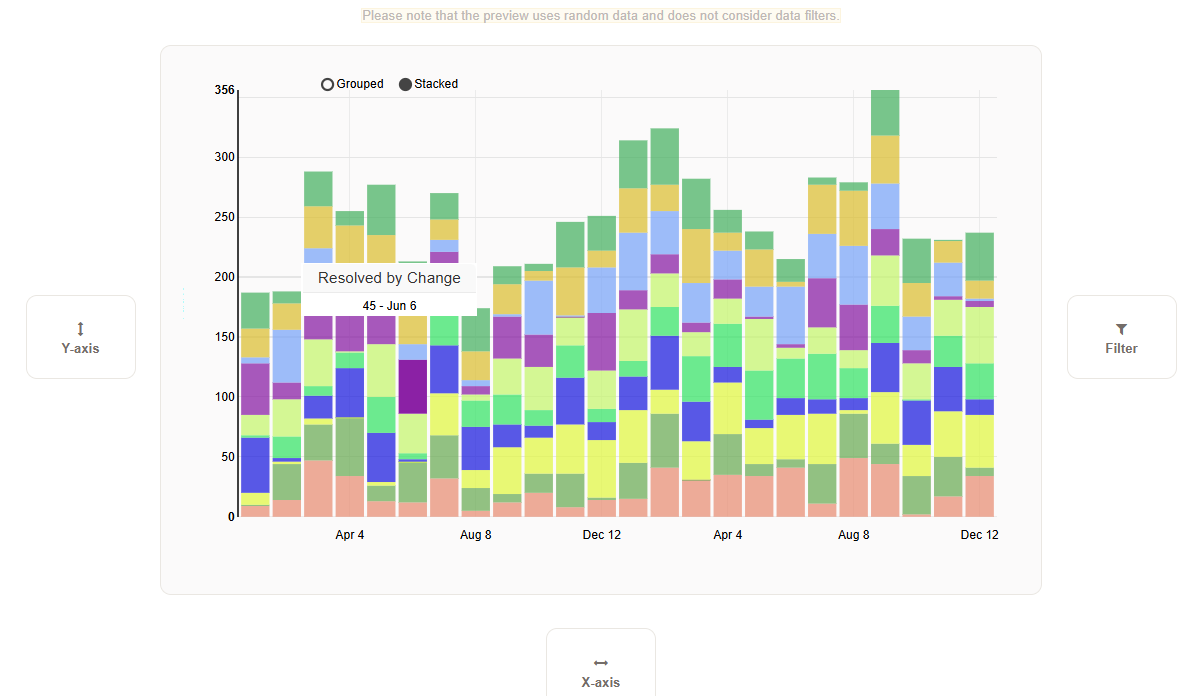
- Create a statistic to evaluate closure codes by month over the year.
Creating a Stat
- Navigate to Reports -> Statistics
- Choose to add a new Stat
- Use the type dynamic matirx and set your options
Possible Options
General
- Add a name
- Add a description
- Choose the formats available
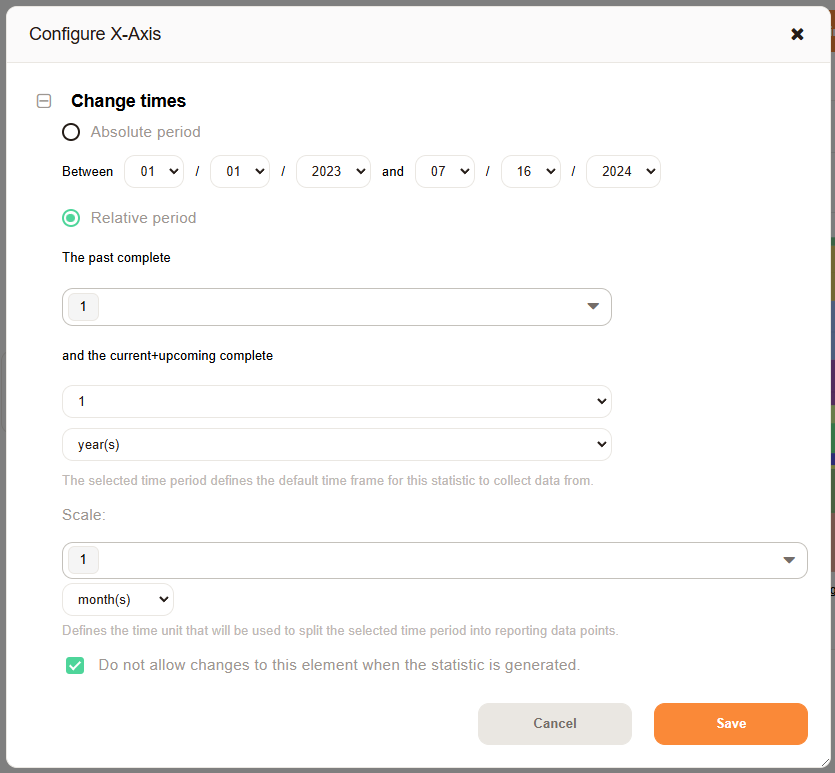
X-Axis
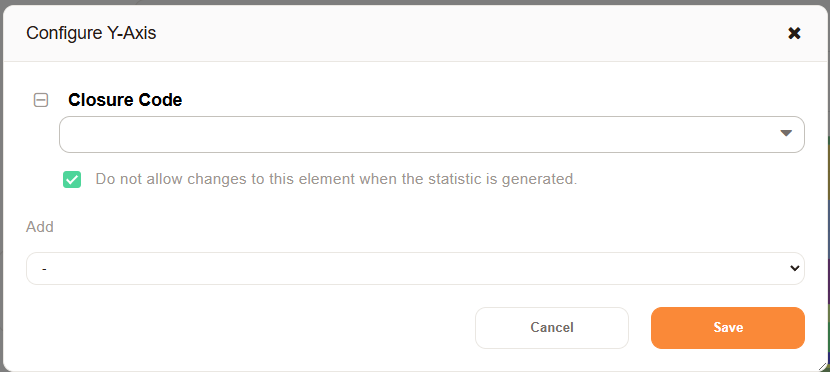
Y-Axis
Example Stacked Results
Two Step Setup
To implement this example more easily, you can download and import the files from this example directly into your system.
Conclusion
Implementing closure codes in your ITIL processes is a powerful way to enhance your IT service management. By systematically categorizing and analyzing the reasons for closing incidents and service requests, you can gain valuable insights, improve efficiency, and boost customer satisfaction.